
Traditional Board Games: Timeless Classics from India and Around the World
Traditional Board Games: Timeless Classics from India and Around the World
Traditional board games have been part of human culture for thousands of years. They bring together strategy, skill, storytelling, and social connection in a way that still feels fresh today.
At Roll the Dice, we celebrate games inspired by Indian heritage. In this guide, we explore some of the most loved traditional board games from India and around the world, and why they still deserve a place in modern homes.
What are traditional board games?
Traditional board games are games that have been played for many years and are often linked to history, culture, or regional traditions. Many existed long before digital gaming and continue to be enjoyed because of their timeless design and replay value.
Unlike modern commercial board games, traditional games often evolved naturally across communities and countries. That is why they appear in many forms around the world.
Why people still play them
Traditional board games remain popular because they create face-to-face interaction and help build thinking skills in a fun way. Games like Chess, Go, Mancala, and Backgammon reward planning, memory, patience, and tactical decision-making.
They are also easy to introduce to children, elders, and casual players because the rules are usually straightforward. Another reason for their lasting appeal is cultural identity. Many families enjoy these games because they feel familiar, nostalgic, and connected to shared traditions.
Popular traditional board games
Carrom

Carrom is one of the most loved traditional games in India and is often found in homes, clubs, and community spaces. It blends accuracy, technique, and quick decision-making, which makes it both casual and competitive.
Chaturanga

Chaturanga is one of the earliest known strategy games from India and is often considered an important ancestor of modern Chess. It represents the deep historical roots of Indian game culture and is a great fit for heritage-inspired content.
Pachisi

Pachisi is a classic Indian race game that is widely recognized as the inspiration behind modern Ludo and related board games. Its long history makes it an excellent example of how Indian board game traditions influenced games enjoyed today.
Chaupar

Chaupar is another traditional Indian game that shares similarities with Pachisi but has its own cultural identity and gameplay style. It adds strong search relevance for users looking for authentic Indian board game history.
Pallanguzhi

Pallanguzhi is a traditional South Indian seed-sowing game that is both simple and strategic. It is deeply rooted in Indian heritage and makes a beautiful addition to any article about cultural board games.
Ashta Chemma

Ashta Chemma is a well-known traditional game in South India that is enjoyed as a family-friendly race game. Its regional popularity makes it valuable for local SEO and heritage-focused storytelling.
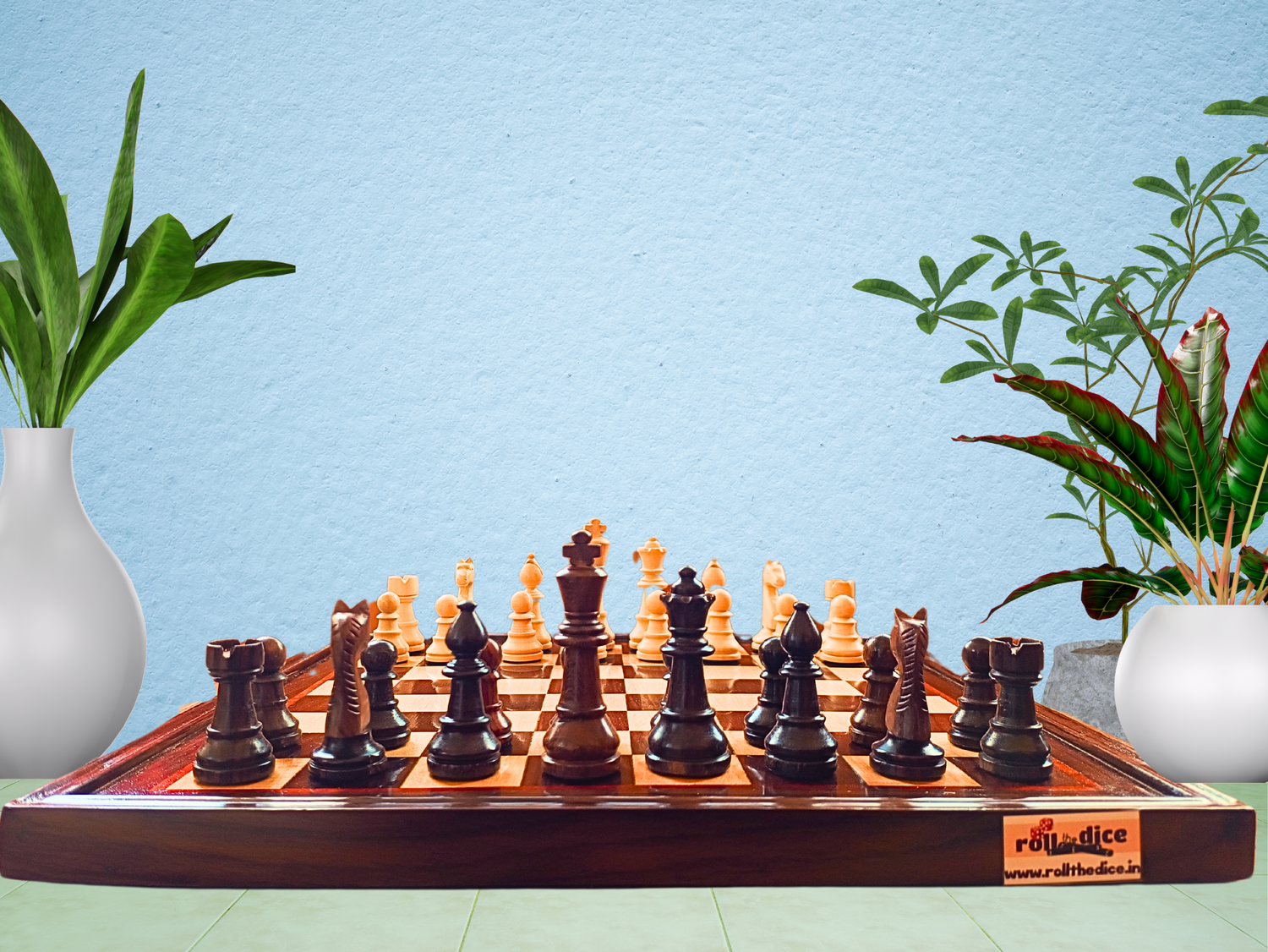
Chess

Chess is one of the most recognized strategy games in the world. It is admired for its depth, elegance, and ability to sharpen concentration and planning.
Backgammon

Backgammon is one of the oldest known tabletop games and remains popular because it combines luck and strategy in a fast, exciting format.
Mancala | Aliguli Mane

Mancala refers to a family of ancient counting and capture games played in many parts of Africa, Asia, and the Middle East. It is a great example of how traditional games crossed borders and survived through generations.
Go

Go is famous for its minimalist rules and incredible strategic depth. It is often mentioned alongside Chess as one of the most respected classic strategy games in the world.
Mahjong

Mahjong is a traditional tile-based game with a rich cultural history and strong social play element. It is often associated with family gatherings, cultural tradition, and skillful pattern recognition.
Traditional board games in India
India has a rich board game heritage, with games like Carrom, Chaturanga, Pachisi, Chaupar, Ashta Chemma, and Pallanguzhi reflecting regional traditions and strategic gameplay.
These games are not only entertaining, but also deeply tied to local history and family memory. That makes them a strong fit for a heritage-focused brand like Roll the Dice.
If your store offers Indian-inspired board games, puzzles, or kits, this section is the perfect place to connect cultural storytelling with product discovery. You can naturally guide readers from history to shopping without making the page feel promotional.
Why this topic works for SEO
This topic works well for SEO because it has broad informational intent and strong keyword variety. The main phrase traditional board games should appear in the title, intro, one subheading, and conclusion.
Supporting terms like classic board games, ancient board games, heritage games, and board games from around the world help widen reach. Specific game names like Carrom, Chaturanga, Pachisi, Pallanguzhi, Chess, Backgammon, Go, and Mancala strengthen relevance and capture long-tail searches.
FAQ
Which traditional board games are most popular?
- Some of the most popular traditional board games include Chess, Carrom, Backgammon, Go, Mancala, Mahjong, and Draughts.
Are traditional board games good for children?
- Yes, traditional board games are excellent for children because they help build focus, patience, turn-taking, and problem-solving skills.
Why are traditional board games still popular?
- They remain popular because they are social, timeless, and mentally engaging. Many of them also carry cultural meaning from one generation to the next.
Conclusion
Traditional board games continue to matter because they connect culture, strategy, and fun in a way that never goes out of style. For Roll the Dice, this topic is a strong SEO opportunity because it naturally combines broad search demand with Indian heritage relevance.