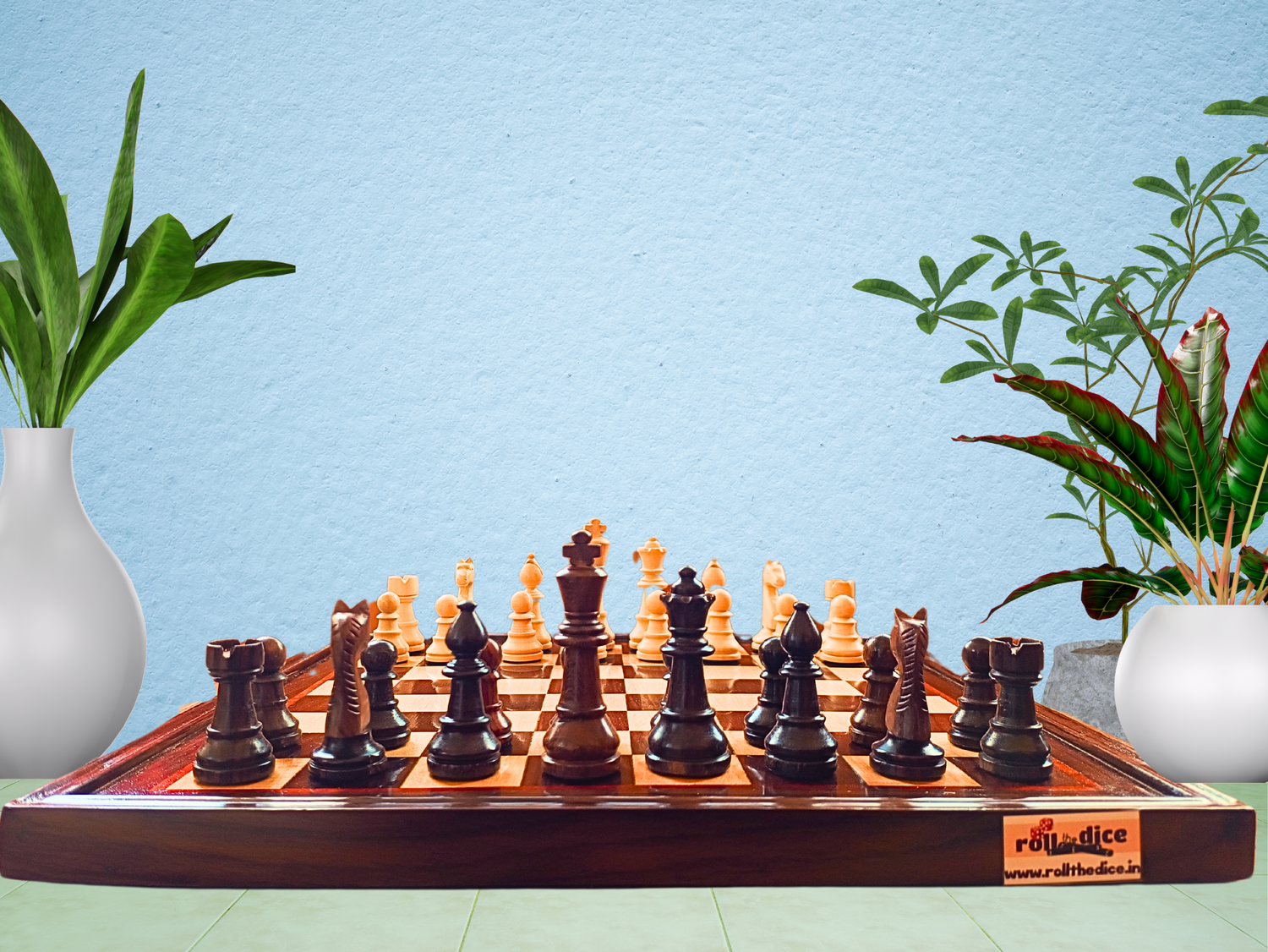


Why Neuroscientists Are Saying What Our Ajjis Always Knew: Traditional Games Make Strong Minds
Share
Why Neuroscientists Are Saying What Our Ajjis Always Knew: Traditional Games Make Strong Minds
- Written with insights from scientific studies and published research papers.
For generations, our ajjis and thathas believed that games like Chowka Bara, Aligulimane, Aadu Huli, Pagade, and Navakankari sharpen the mind. They never used the word “neuroscience,” but they knew something important — the brain becomes stronger when it is challenged through play.
Today, modern science is finally catching up.
Neuroscientists now confirm that strategic play activates the same brain areas responsible for decision-making, focus, memory, emotional regulation, and problem-solving — exactly the skills children need to succeed in school and life.
How Traditional Indian Games Build the Brain
Traditional games activate the brain in ways that screens and passive learning do not.
When children play Chowka Bara, they predict outcomes, plan moves, and understand probability — this strengthens the prefrontal cortex, the brain's decision-making center.
When they play Aligulimane, they count seeds, remember positions, and adjust strategies. This builds working memory, mathematical reasoning, and executive function, which scientists say are core foundations for academic success.
Games like Aadu Huli involve anticipating the opponent’s moves, building cognitive flexibility, which helps children switch between tasks and think creatively.
And most importantly, play reduces stress. Neuroscience shows that joyful, social play releases oxytocin, a hormone that improves emotional health, focus, and bonding. Our elders always said, “Games bring people together.” Now science says the same.
Heritage + Science = Stronger Children
Roll the Dice games are not just cultural nostalgia.
They are science-backed tools that develop sharper, calmer, emotionally stronger minds.
Our traditional games carry the wisdom of centuries — and now, the seal of modern research.
Bibliography / References
-
Pellis, S. M., & Pellis, V. C. (2007). The Playful Brain: Venturing to the Limits of Neuroscience.
-
Diamond, A. (2013). Executive functions. Annual Review of Psychology, 64, 135–168.
-
Gray, P. (2011). The decline of play and the rise of psychopathology in children. American Journal of Play.
-
Vygotsky, L. S. (1978). Mind in Society: The Development of Higher Psychological Processes.
-
Bergen, D. (2002). The role of pretend play in children's cognitive development. Early Childhood Research & Practice.
#NeuroscienceOfPlay #BrainDevelopmentKids #OldWisdomNewScience #TraditionalGamesOfIndia #IndianBoardGames #HeritageLearning #LearningThroughPlay #KidsCognitiveSkills #ExecutiveFunctionSkills #MindfulParentingIndia #ParentingWithScience #RollTheDiceGames